

Some tours are built around nostalgia. Others serve as an important reminder as to why certain bands mattered in the first place. The pairing of Manic Street Preachers and Suede belongs firmly in the latter category.
Sharing a bill at Nottingham's Motorpoint Arena were two bands who emerged from the same period of British music yet always seemed to exist slightly on the edge of it. Both helped shape the cultural landscape of the 90s, both amassed fiercely loyal followings, and both created songs that have long outlived the era that produced them. Yet neither ever sat comfortably within the labels so often attached to them. "Britpop" and "indie" neatly wrapped up most bands of the time, but these two felt as though they were created from entirely different moulds despite coming from a similar factory. But while Suede provided worthy company, this is ultimately a review about the Manic Street Preachers, a band who have never stopped challenging, questioning and documenting the world around them, and whose music continues to resonate far beyond the era that first gave them a platform.
In the 90’s discovering good music was something that usually happened by accident. A few bars drifting from a pub doorway or a recommendation scribbled on a record shop listening post. There was none of this holding your mobile phone in the air like a divining rod, pressing a button and within seconds knowing everything there was to know about a band.


The 90s version of Shazam was ‘Dave from my local HMV’, who ran what can only be described as a musical detective agency. Investigations usually involved me walking into the shop and publicly humiliating myself by singing a song I'd "heard somewhere". On this occasion, Dave couldn't help. He had no idea what I was doing, and I left empty handed and filled with disappointment. By pure coincidence, though, the mystery song eventually turned up… on a ‘Top Gear’ compilation album that my folks bought me for Christmas.
Pressing play on track seventeen of disc two changed my life. Id fallen in love with a song called Motorcycle Emptiness, and from that moment on, a long, intense love affair with The Manic Street Preachers began, sending me on a mission to track down every album, single and B-side hidden away in their back catalogue.
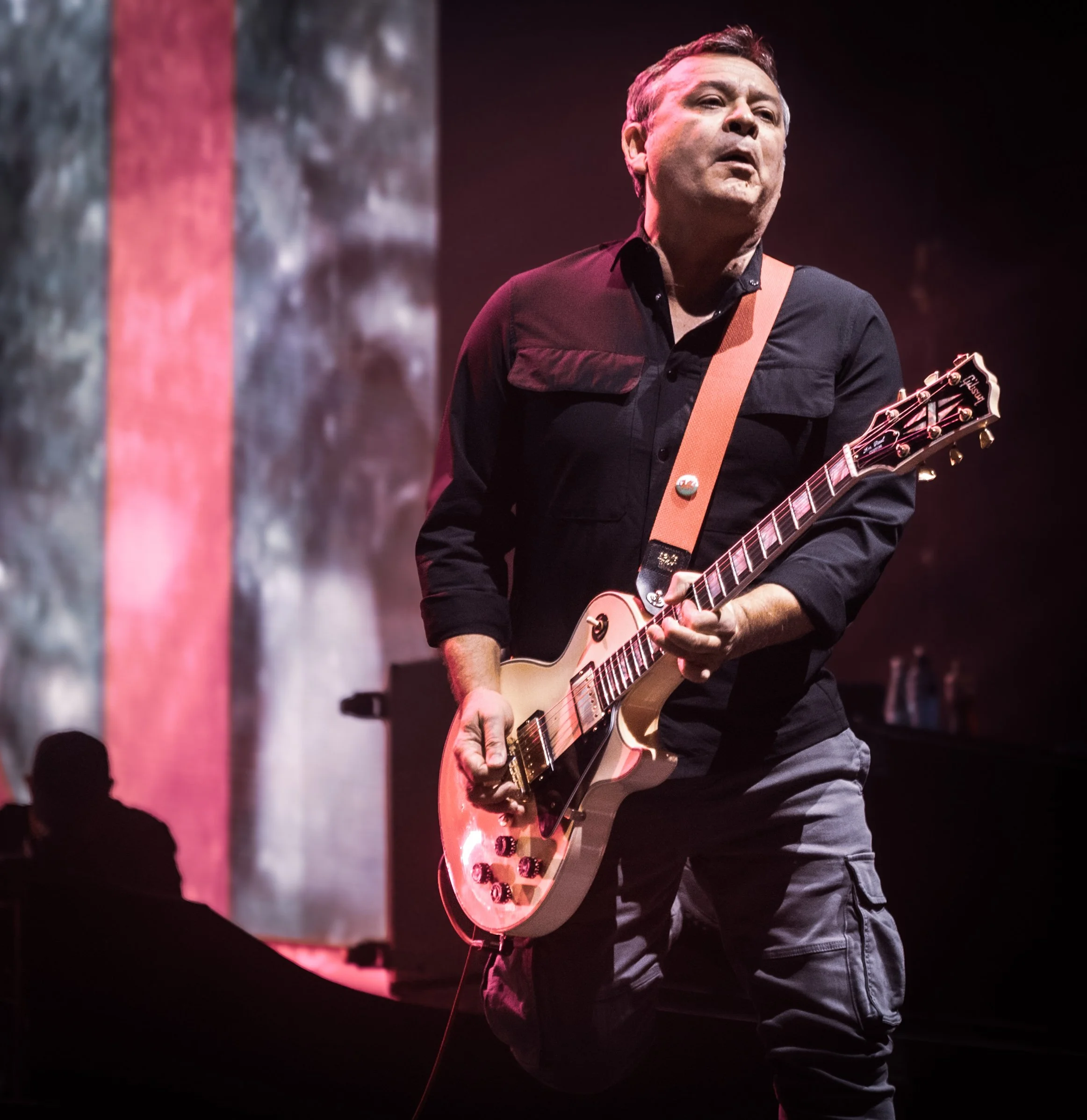
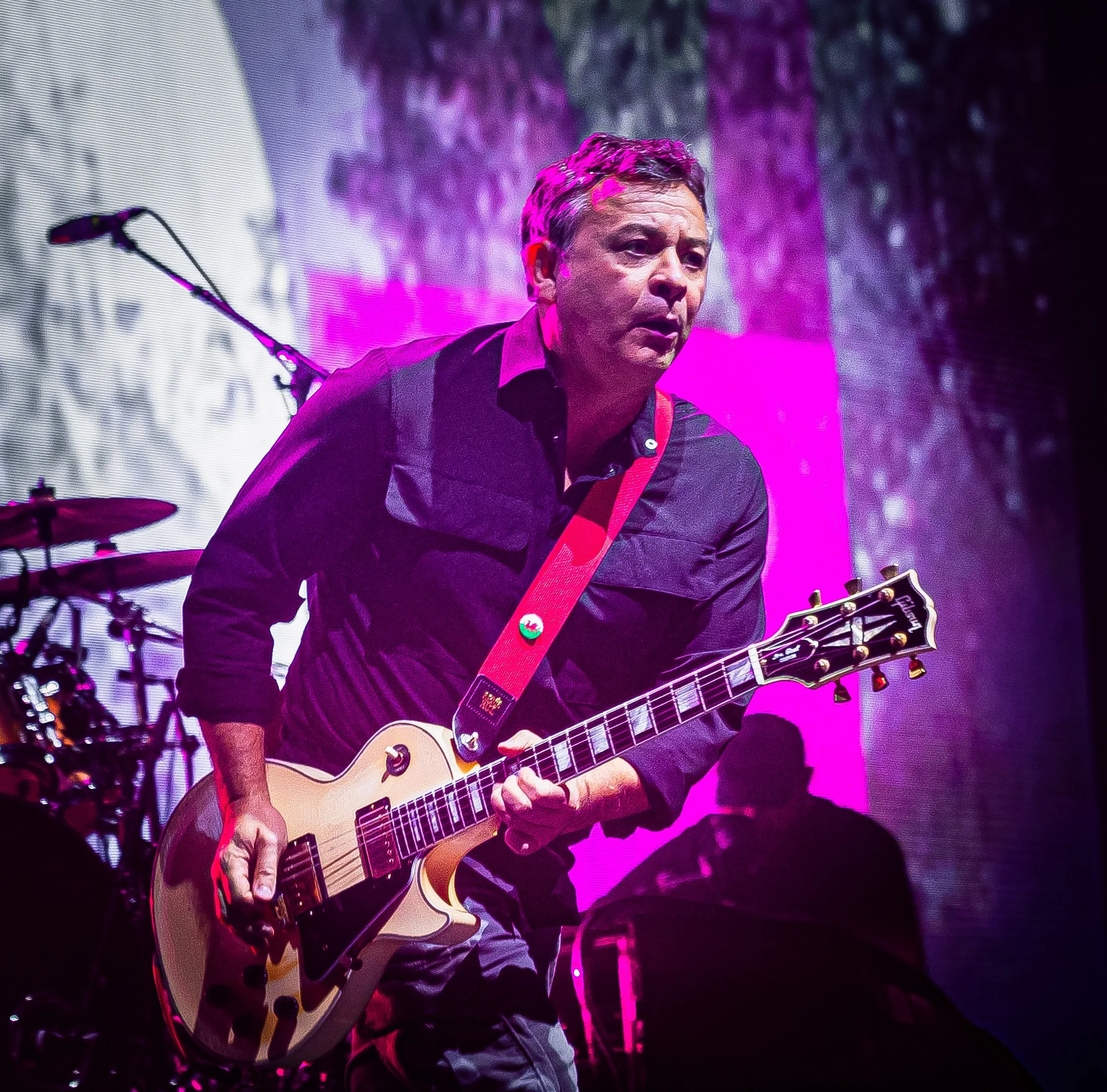
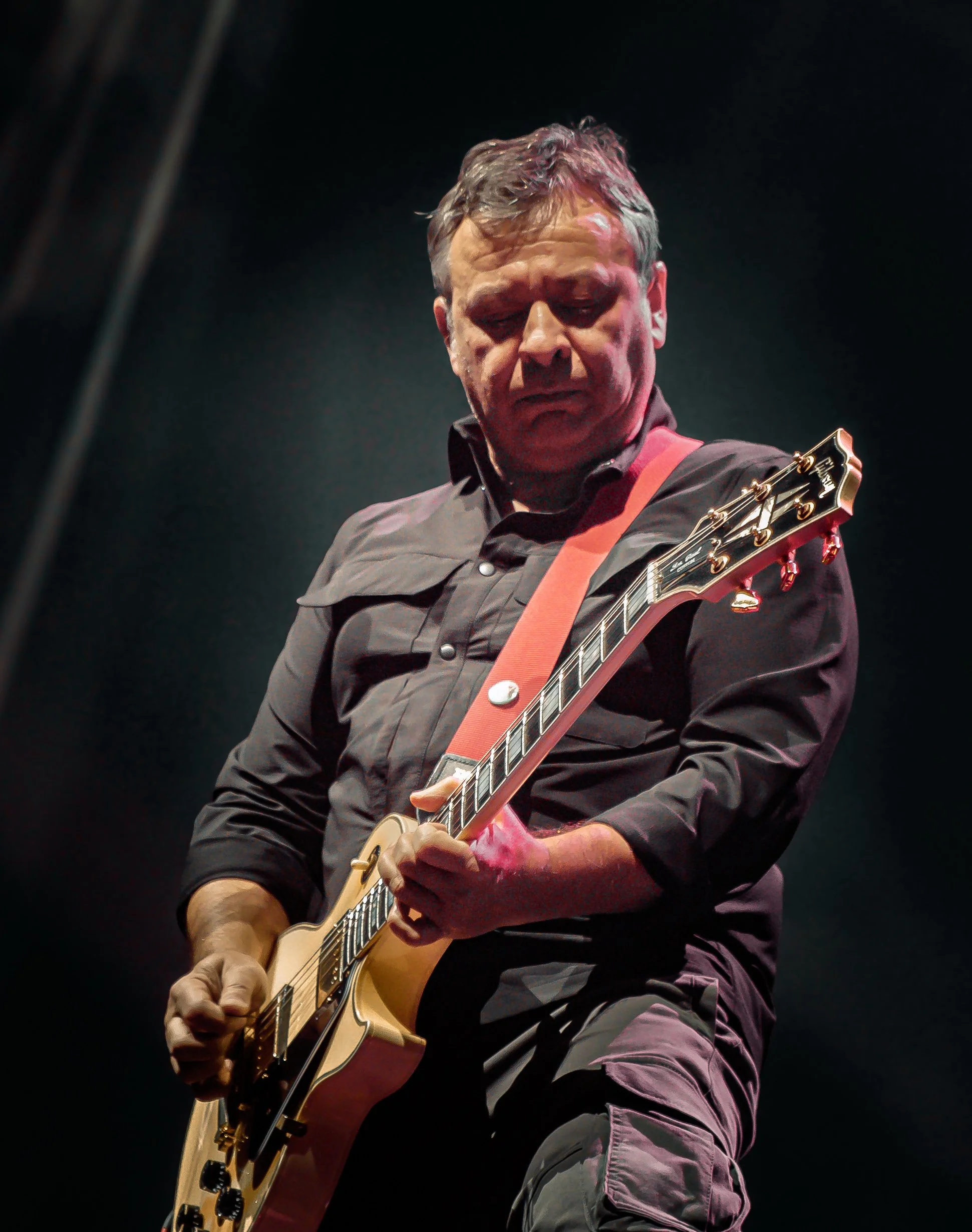
Now, more than three decades later, as I stand in a photo pit with my finger on the shutter, lens locked on JDB, those opening notes ring out once again, leaving me in floods of (happy) tears and the arena bouncing with excitement.
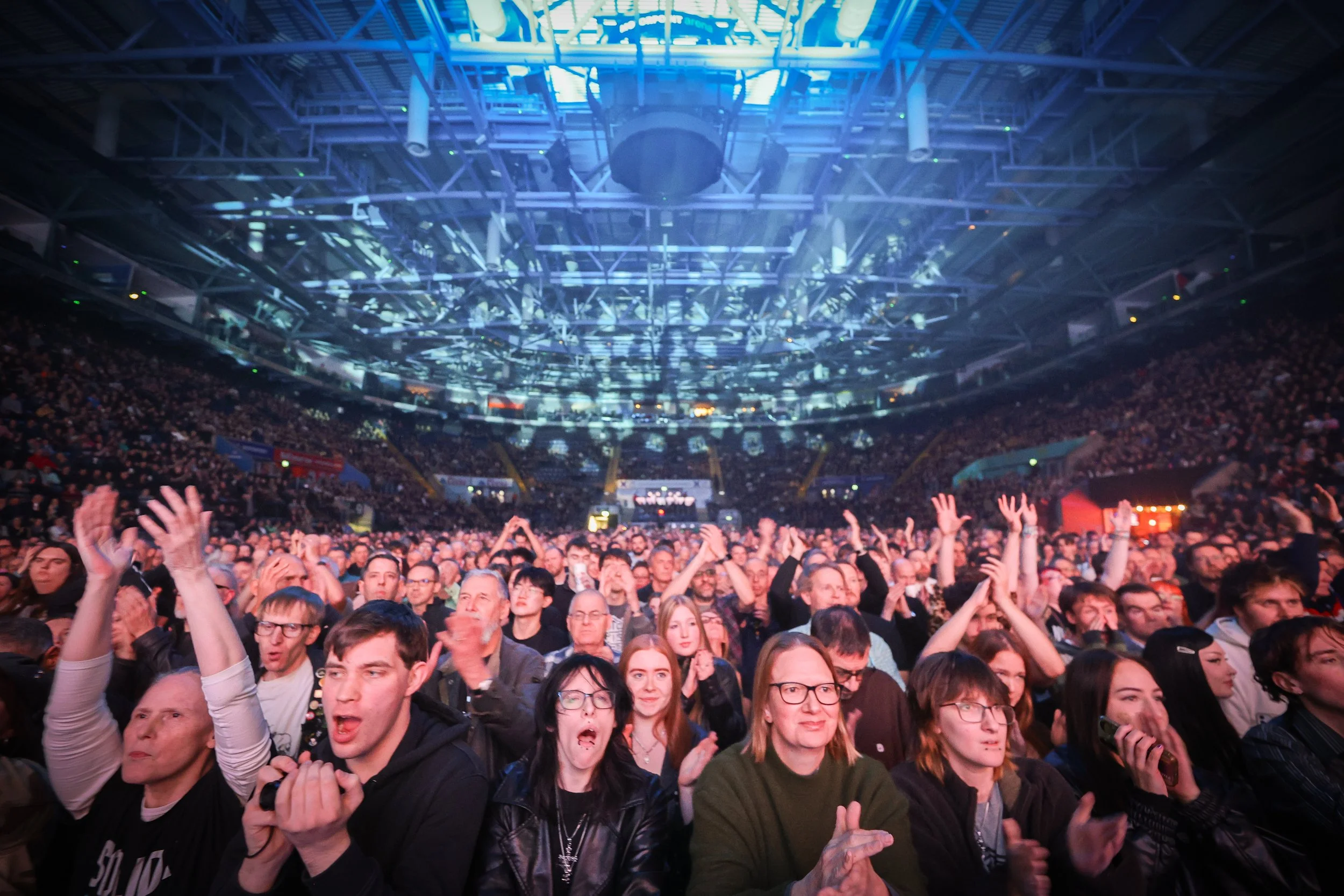
It remains one of the defining songs of my life and their career, balancing intellectual ambition with emotional immediacy in a way few bands have ever managed. The sight of thousands singing along demonstrated once again why it remains such a cornerstone of British alternative rock.
Over the years, the Manics were criticised for being too political, too literate, and too uncompromising to be reduced to simple Britpop stereotypes, but that's precisely why I loved them. What they had to say resonated because it came from a world that felt familiar.
I grew up on a miners' estate, the daughter of a man who worked through the Strikes. The unrest that swept through mining communities left deep scars, many of which remain visible today in financially starved, former industrial towns, confused, and still searching for a new identity.
The Manics weren't four strangers brought together by auditions or record company ambitions. James, Nicky, Sean and Richey grew up in the same mining communities of South Wales, witnessing the same uncertainties, divisions and decline that followed the collapse of Britain's coal industry, ultimately influencing their music. While many of their peers soundtracked the optimism of the ‘Britania cool’, the Manics carried the social conscience, anger and resilience of those working-class communities into their work. Their songs speak of dignity, defiance and refusing to be written off, a spirit perfectly captured in the song “Don’t let the night divide us” with the lyric "Don't let the boys from Eton suggest that we are beaten.". A lyric which makes me smile when I see it displayed on the back of a few T’s, wandering around the arena.
Everything Must Go and Little Baby Nothing followed, each illustrating different sides of the Manics' character. One is an arena-sized anthem forged from personal tragedy, the other an unflinching examination of exploitation and power. Together, they encapsulated much of what has always made the band unique. They are capable of delivering enormous choruses while simultaneously challenging the audience to think beyond them. That balancing act has defined their entire career.
The opening trumpet fanfare of ‘Kevin Carter’ began while I was at the back of the arena watching the flashing images of cameras on the screen, combined with the words ‘click click click click click – click yourself under’. This song makes you stop and forces you to think. Named after the South African photographer whose images exposed famine, conflict and human suffering, the song tells the story of a man whose greatest professional achievement ultimately became part of his burden. Carter's Pulitzer Prize-winning work brought global attention to suffering, but the horrors he witnessed never left him, leading him to tragically to take his own life. It's impossible not to appreciate the responsibility that comes with capturing reality through a lens. The Manics retell the tragedy beautifully, and as the trumpet soared across the arena, Kevin Carter is a haunting reminder that while a photograph can make the world stop and look, the person behind the camera can carry the scars when everyone else has looked away. This track is a perfect example of what makes the Manic Street Preachers stand out, which is their willingness to write about almost anything. Their songs tackle politics, history, social injustice, and personal struggles, encouraging listeners to question the world around them rather than just accepting it.
You Stole the Sun From My Heart displayed the remarkable depth of their catalogue, while newer material from Critical Thinking proved that creativity remains central to their identity. Decline & Fall and Hiding in Plain Sight never felt overshadowed by the classics surrounding them. Instead, they strengthened the feeling that Manic Street Preachers remain a living, evolving band rather than an act content in milking the popularity of past achievements.
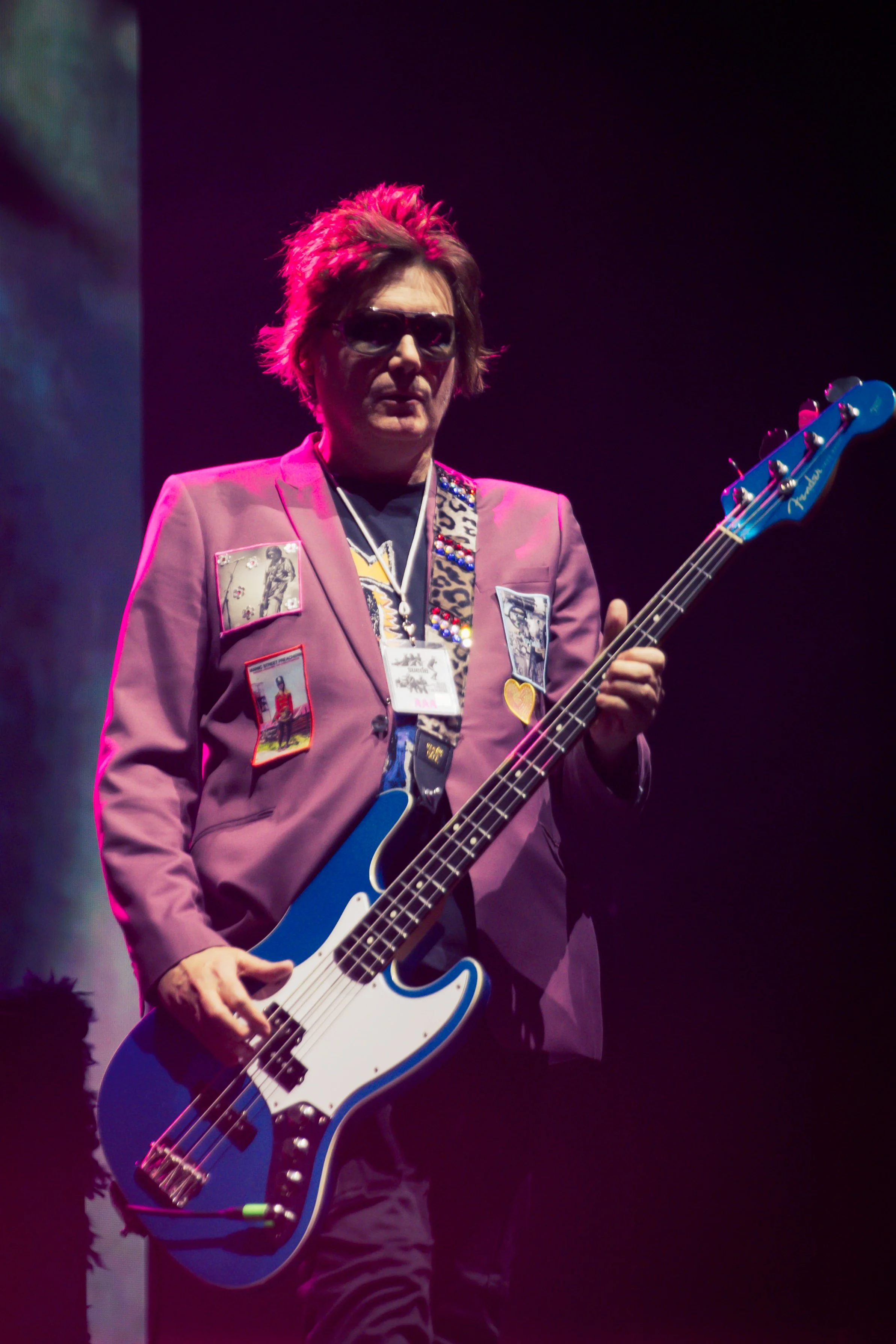
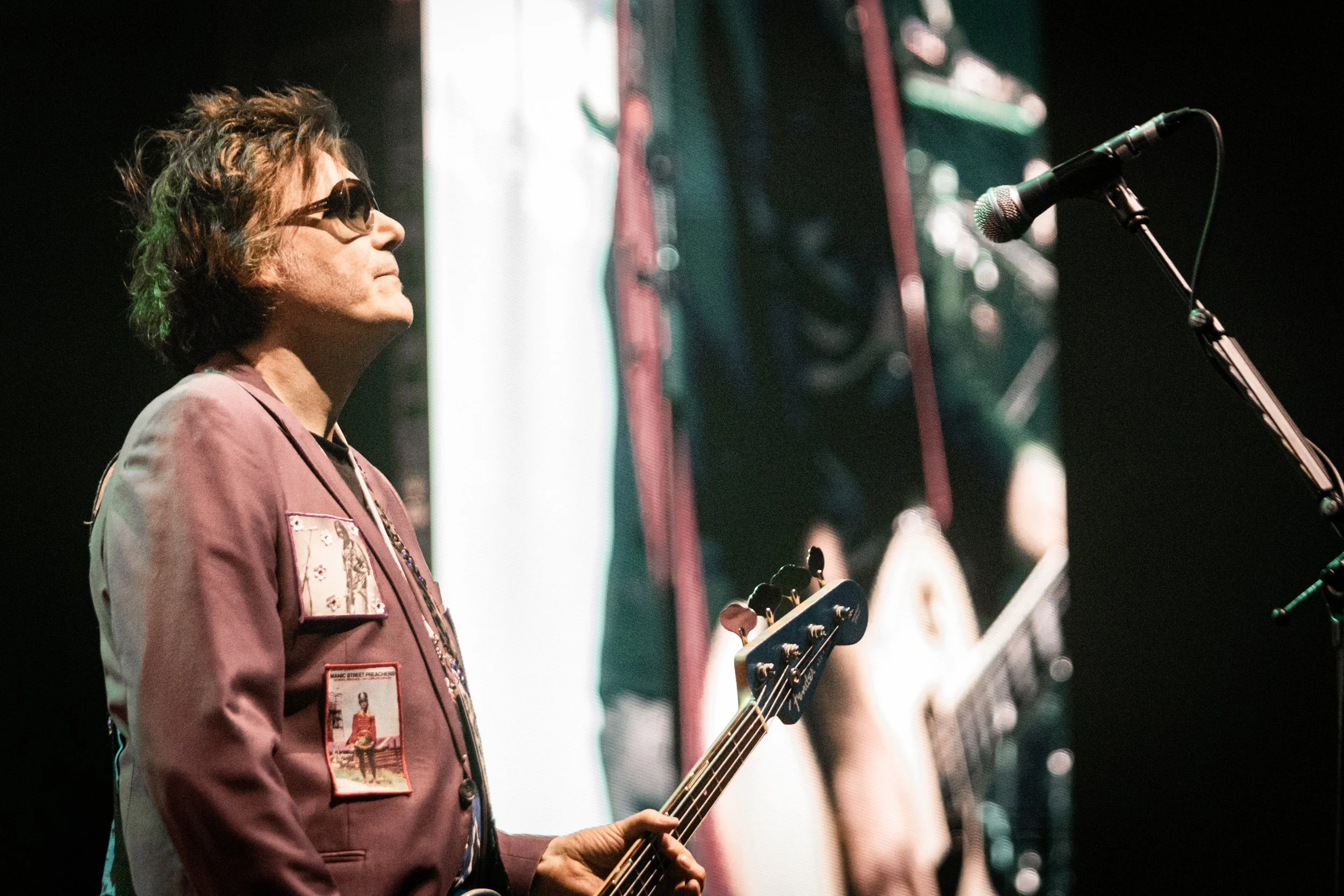
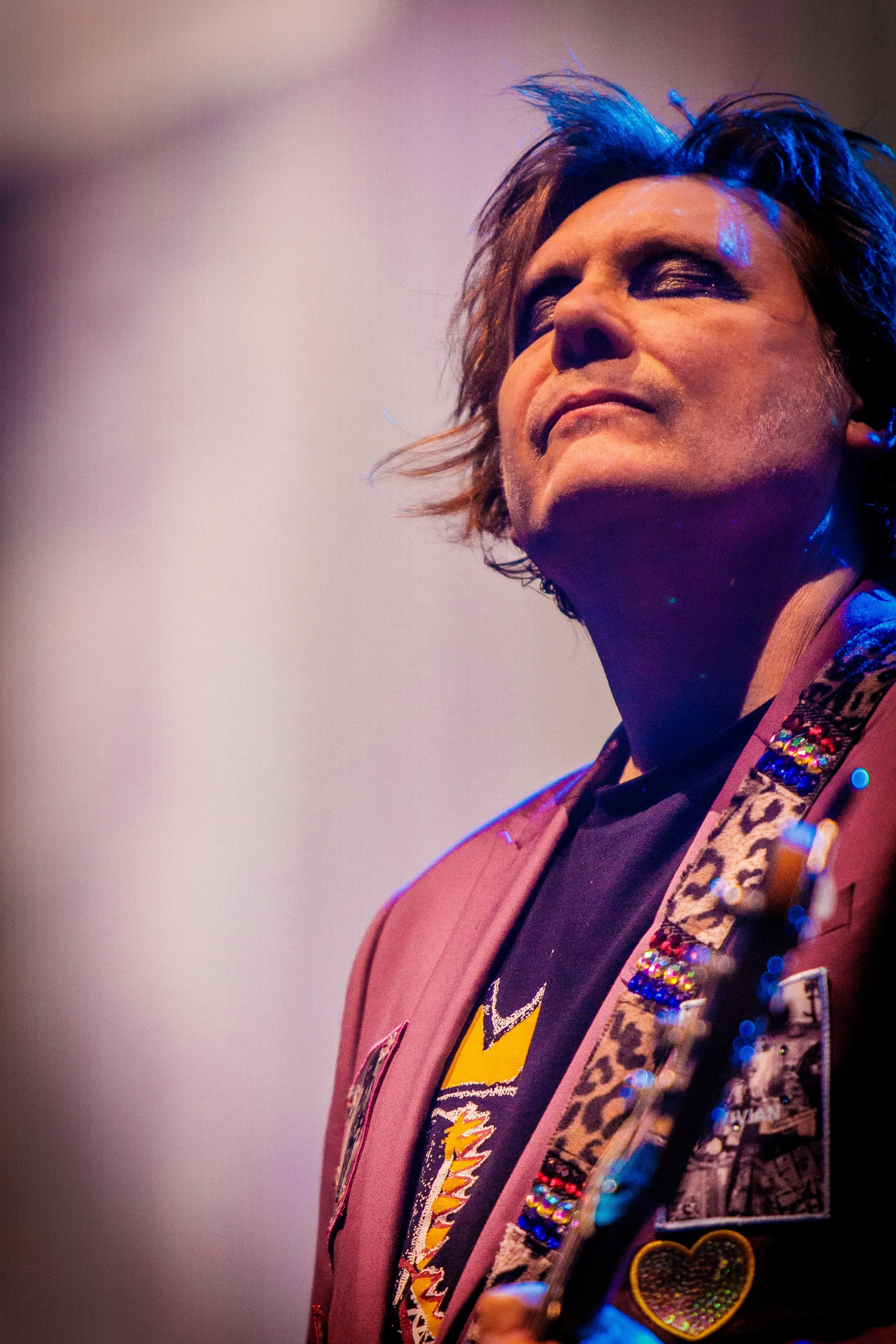
Manics' wild card, Nicky Wire stalks the stage in his boa and enough eyeliner to make Robert Smith jealous before launching into his trademark split jumps that are impressive at this stage in his life. He chatted with the audience and reminisced affectionately about playing in Nottingham Polytechnic. He said “yes! that’s how old we are. We remember ‘Polys’. A good chunk of the audience laughed that also remembered ‘Poly’s, no doubt. Nicky became one of the defining images of the Manics. While JDB supplied the voice and musical muscle, Nicky gave the songs a visual heartbeat. He turns performances into a spectacle, embodying the band's belief that rock music should be as bold and uncompromising to look at as it is to listen to.
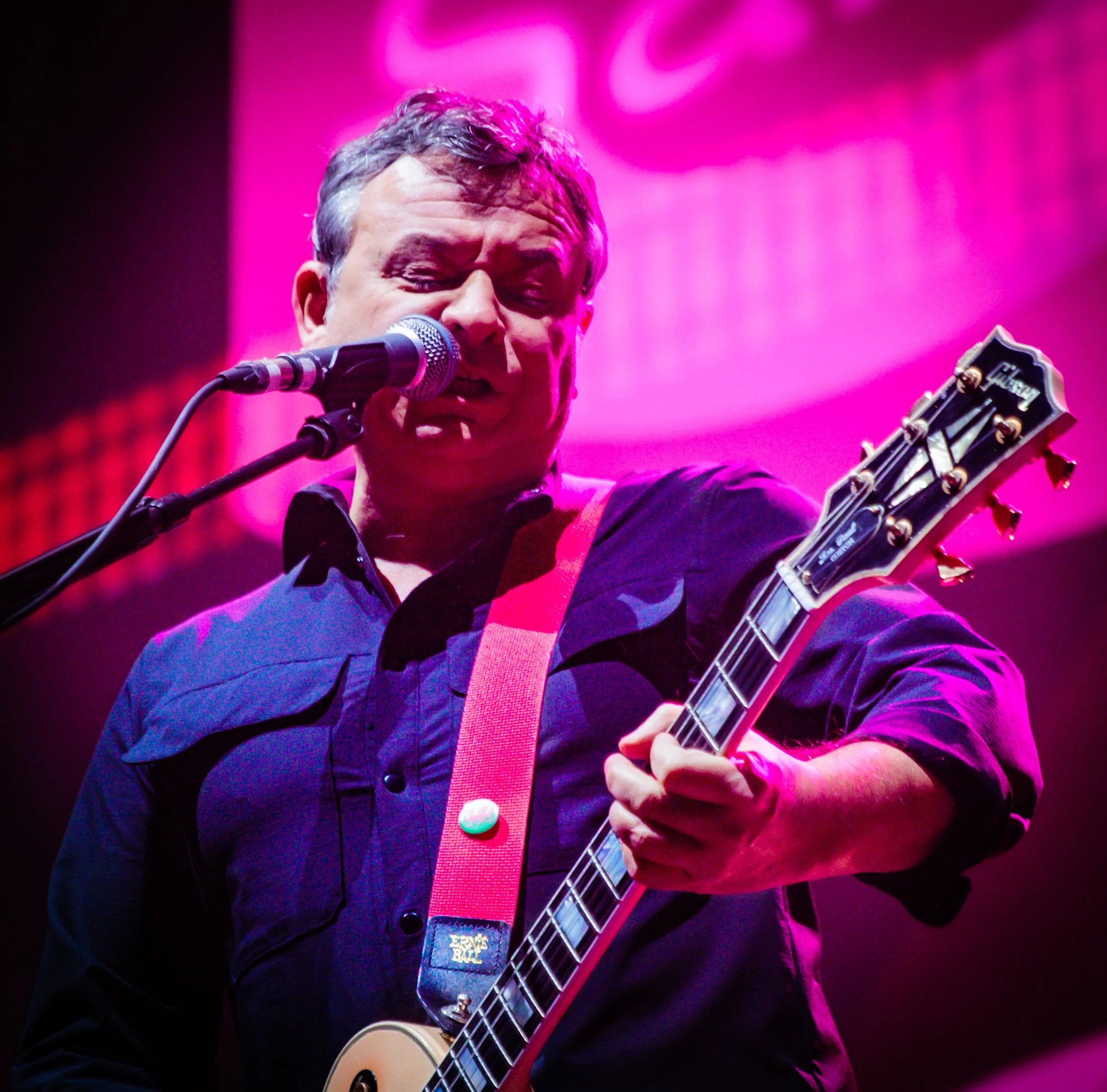
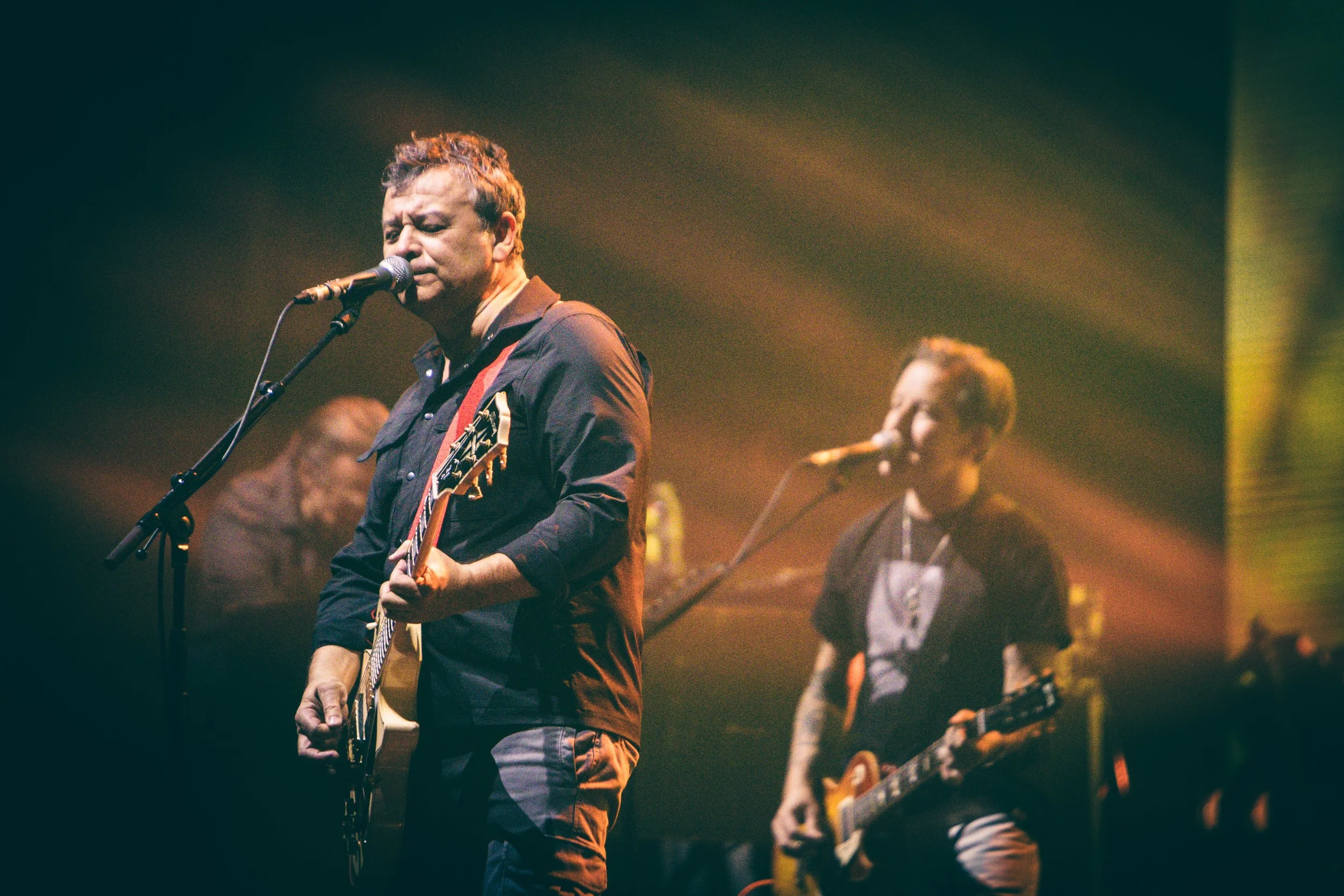
But at the heart of it all was JDB himself. His voice still possesses the extraordinary range and power that first stopped me in my tracks all those years ago. Cries of “James! James!” echoed from the crowd. “Er... JDB, if you don't mind,” he replied. It made me smile.
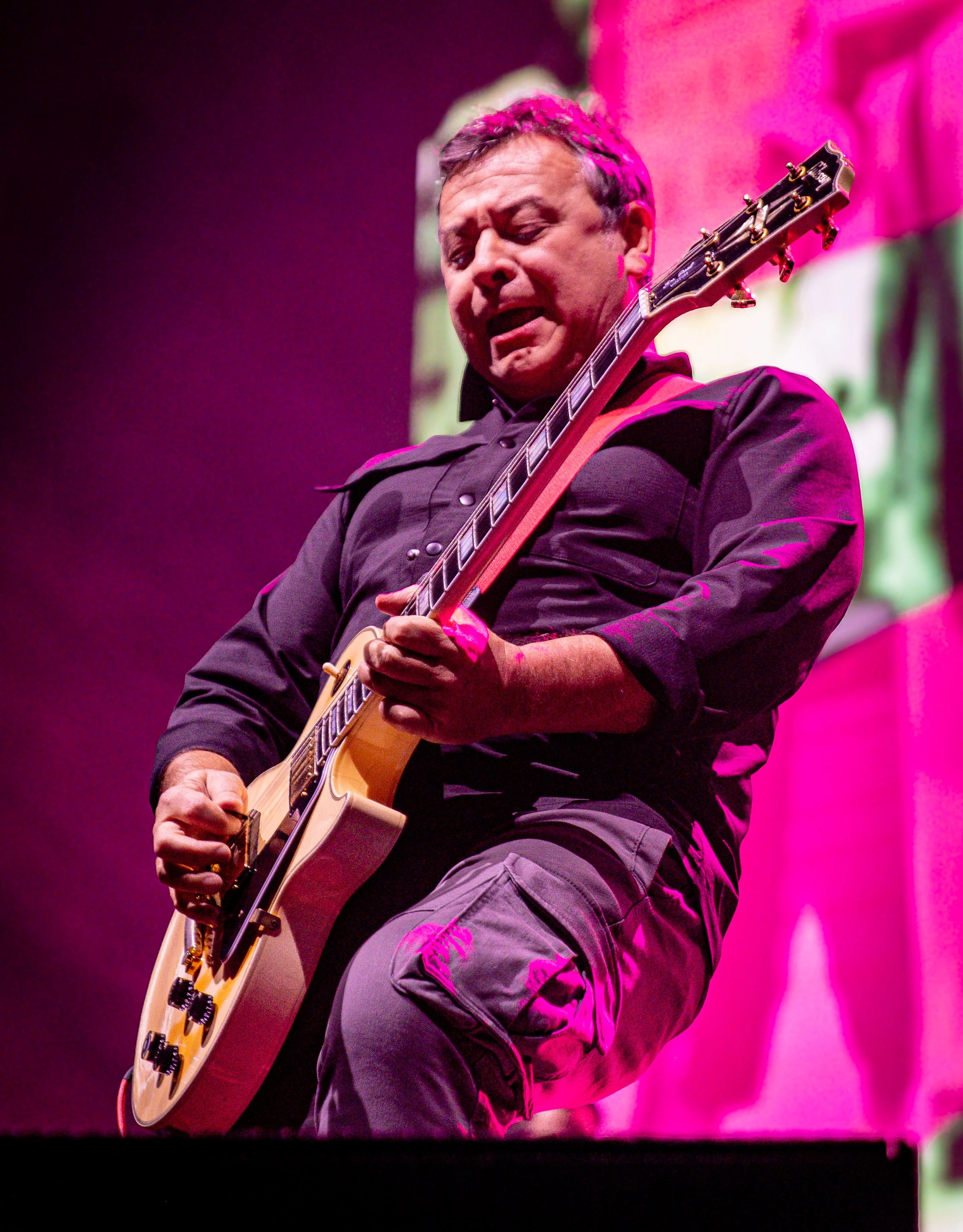
What also made me smile, and if I'm honest, feel a little emotional, was watching this 57-year-old guitar hero of mine still spinning effortlessly on one foot, Alpine White Custom slung over his shoulder. Nicknamed ‘Faithful’, the guitar was purchased shortly before the band signed to Sony in the early 1990s and has appeared on every studio album and tour since. Three decades on, both man and instrument remain inseparable, still delivering the same passion, energy and sense of belief that made so many of us fall in love with this band in the first place.
If there was any doubt that the Manics are still creating music that belongs alongside their greatest work, it didn't last long. Decline & Fall and Hiding in Plain Sight slipped seamlessly into the set, feeling every bit as essential as the songs that first made their name.
One thing I always find myself doing at gigs is taking the temperature of the crowd. Most bands hit a point where attention starts to wander once they move away from the favourites. That never seems to happen at a Manics show. The newer songs are embraced just as warmly, with no sense that anyone is impatiently waiting for the next crowd pleaser.
That says plenty about the audience, but even more about the songs. More than three decades into their career, Manic Street Preachers aren't playing new material out of obligation. These songs have earned their place, treated like a welcome guest rather than an interruption.
During ‘Your Love Alone Is Not Enough’, Wire repeatedly, crossed the stage to engage with fans, throwing fists of confetti into the front rows while images of rolling waves meeting the shoreline filled the vast backdrop screen behind the band.
At the rear, Sean Moore was as dependable as ever. Never the most animated member of the trio, but he remains the engine room that keeps everything moving. Drumming relentlessly precise, powerful, and completely unflustered, whether driving the newer material or revisiting songs that have become woven into the fabric of British guitar music.
A Design for Life inevitably arrived to one of the loudest receptions of the evening. More than thirty years after its release, its examination of class, aspiration and working-class dignity remains as relevant as ever. What could easily have become a simple crowd-pleasing singalong still carries real substance, particularly for anyone who grew up in communities like those that shaped both the band and so many of their fans. Fans with arms open wide, pints aloft, shouting in terrace style chants “we don’t talk about love, we only want to get drunk”.
A more intimate section followed, with excerpts of Elvis Impersonator: Blackpool Pier and the stunningly beautiful Ocean Spray providing a reminder that beneath the slogans, politics and arena-sized choruses lies a catalogue full of nuance and vulnerability.
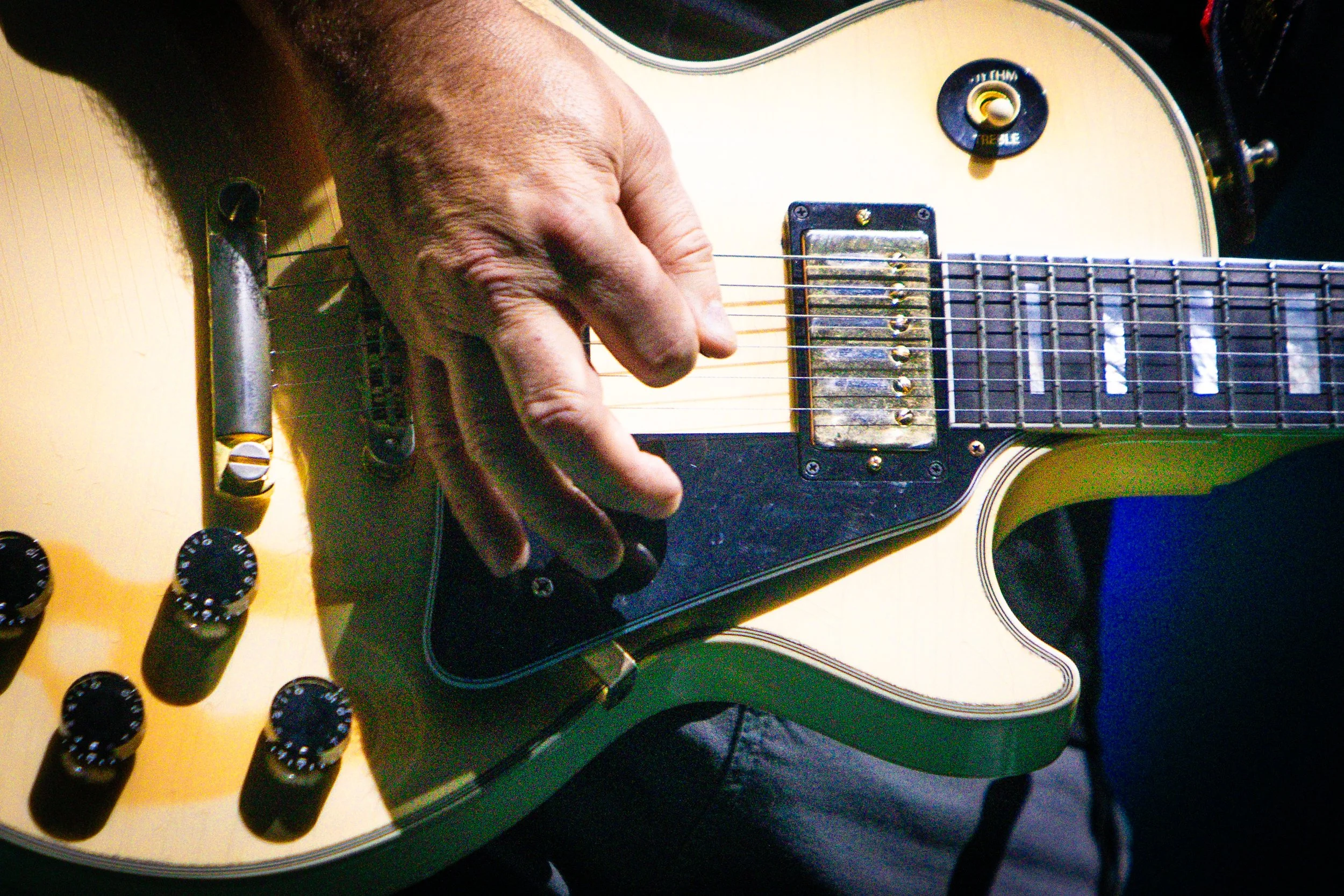

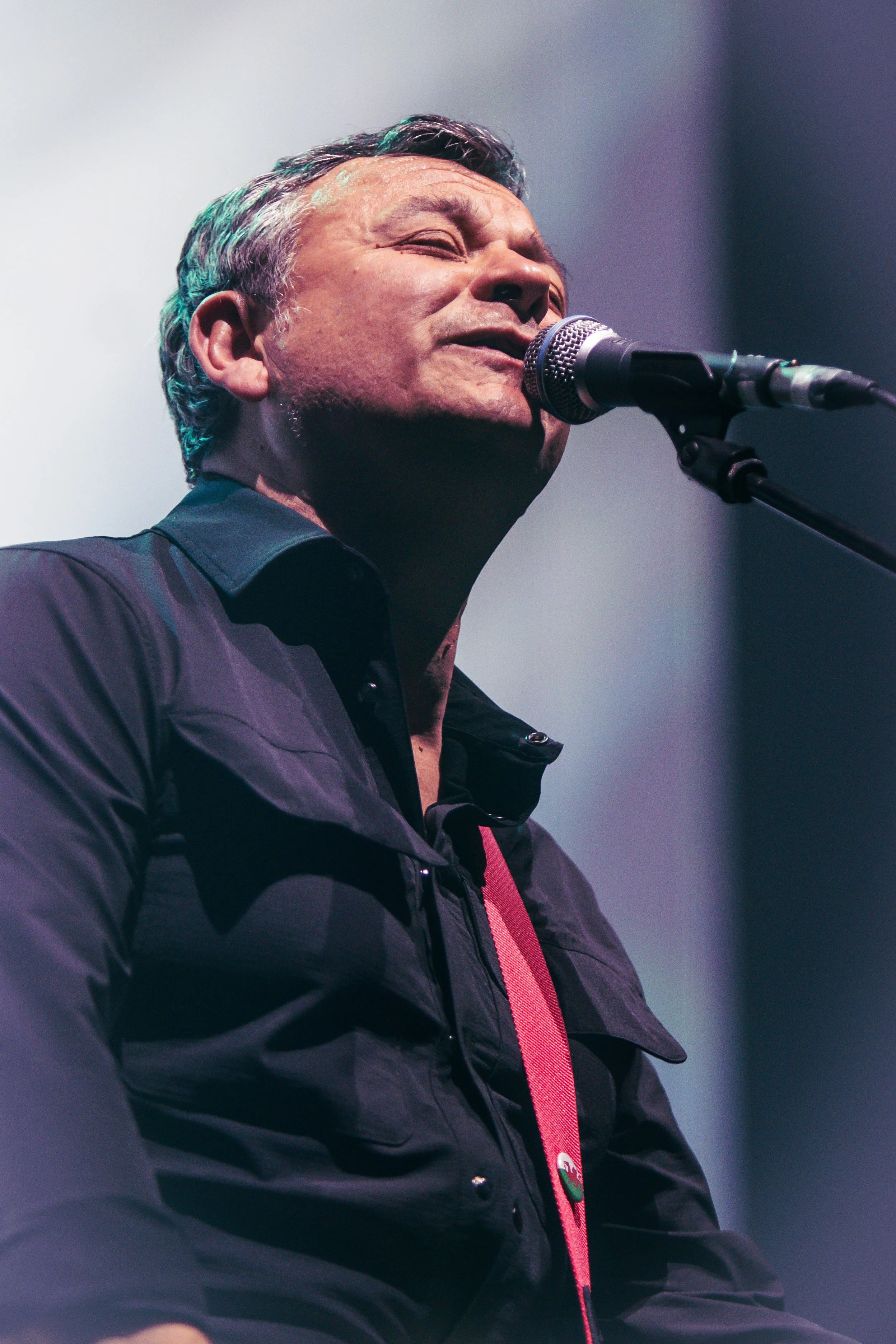
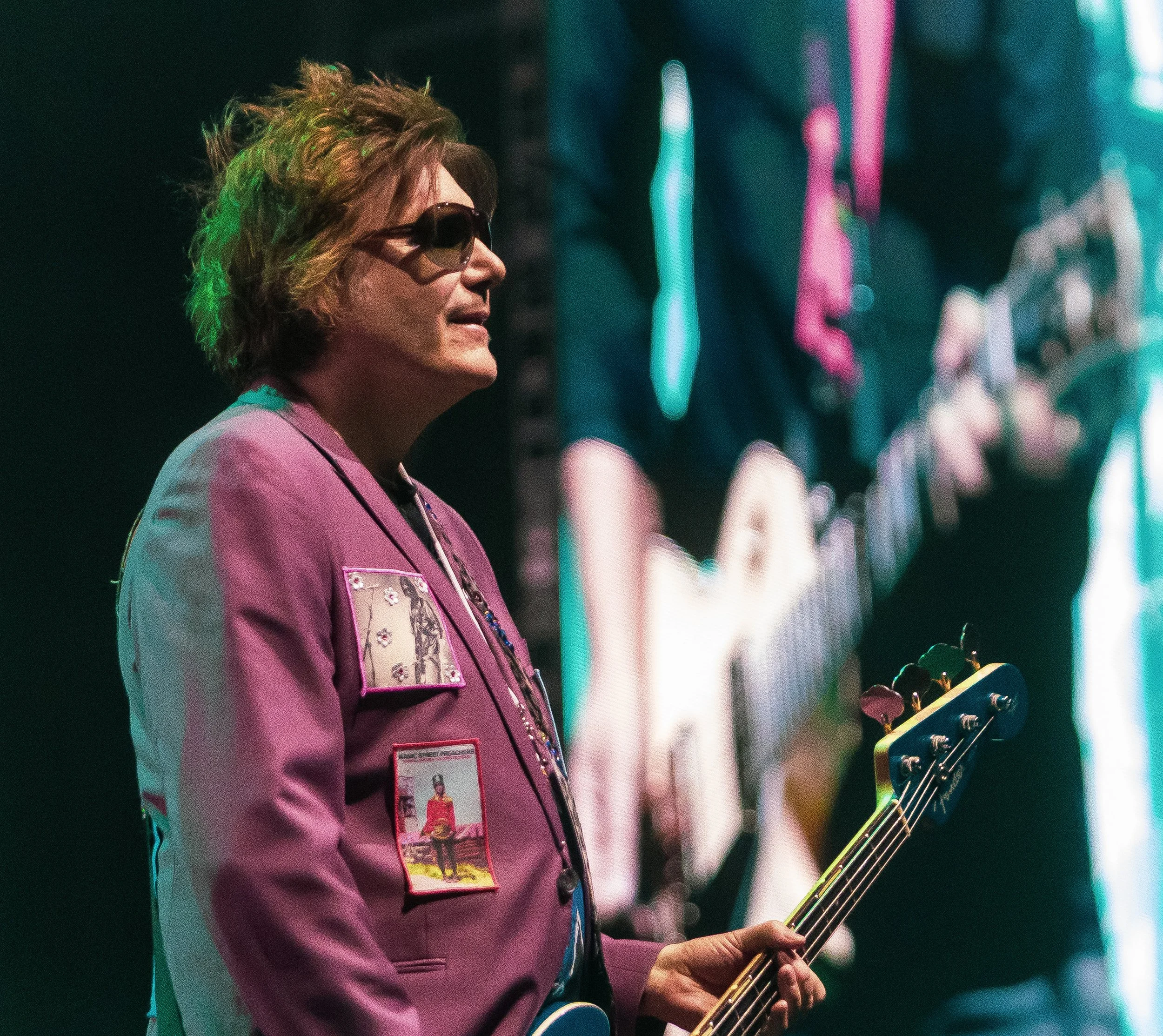
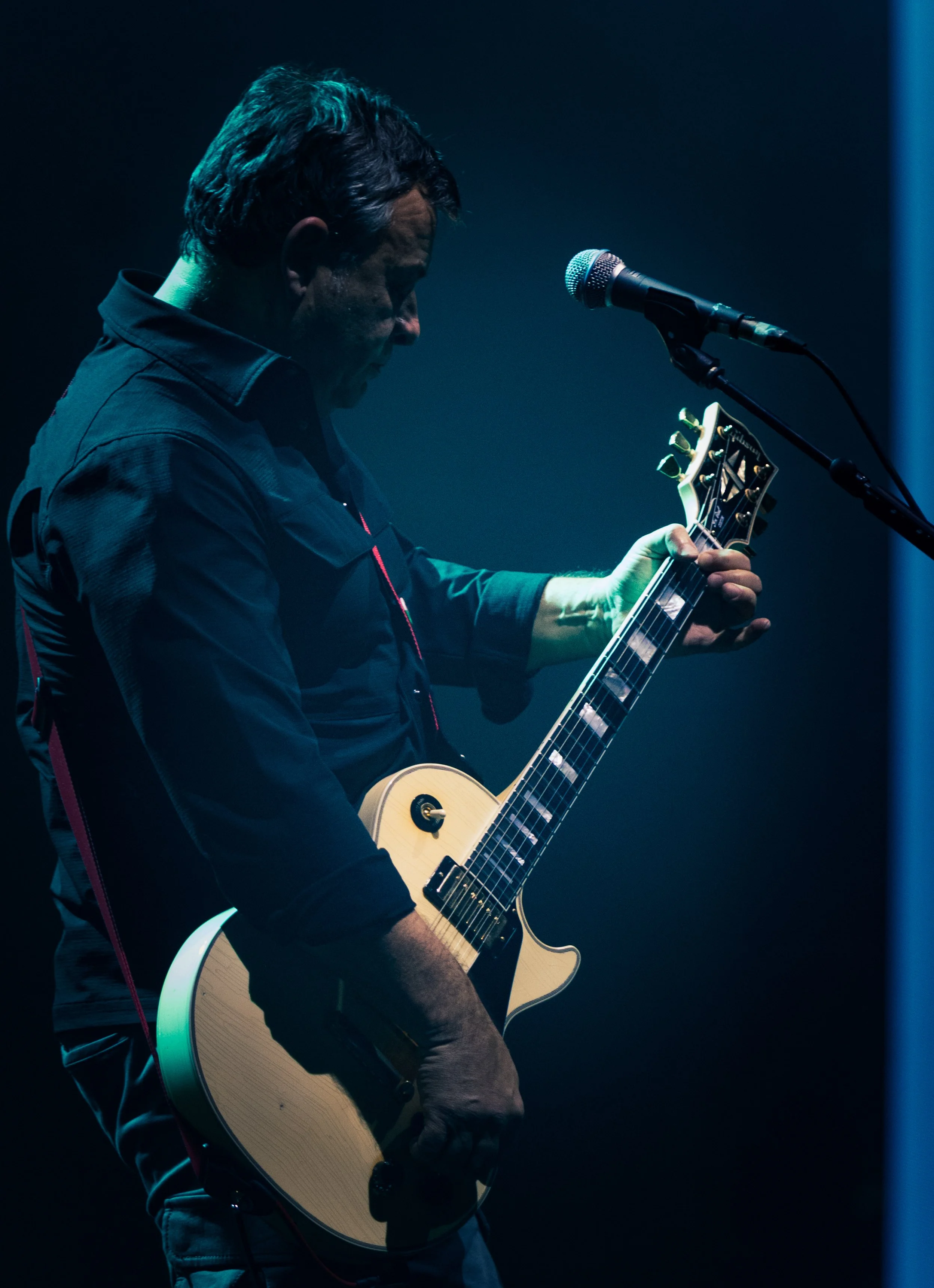
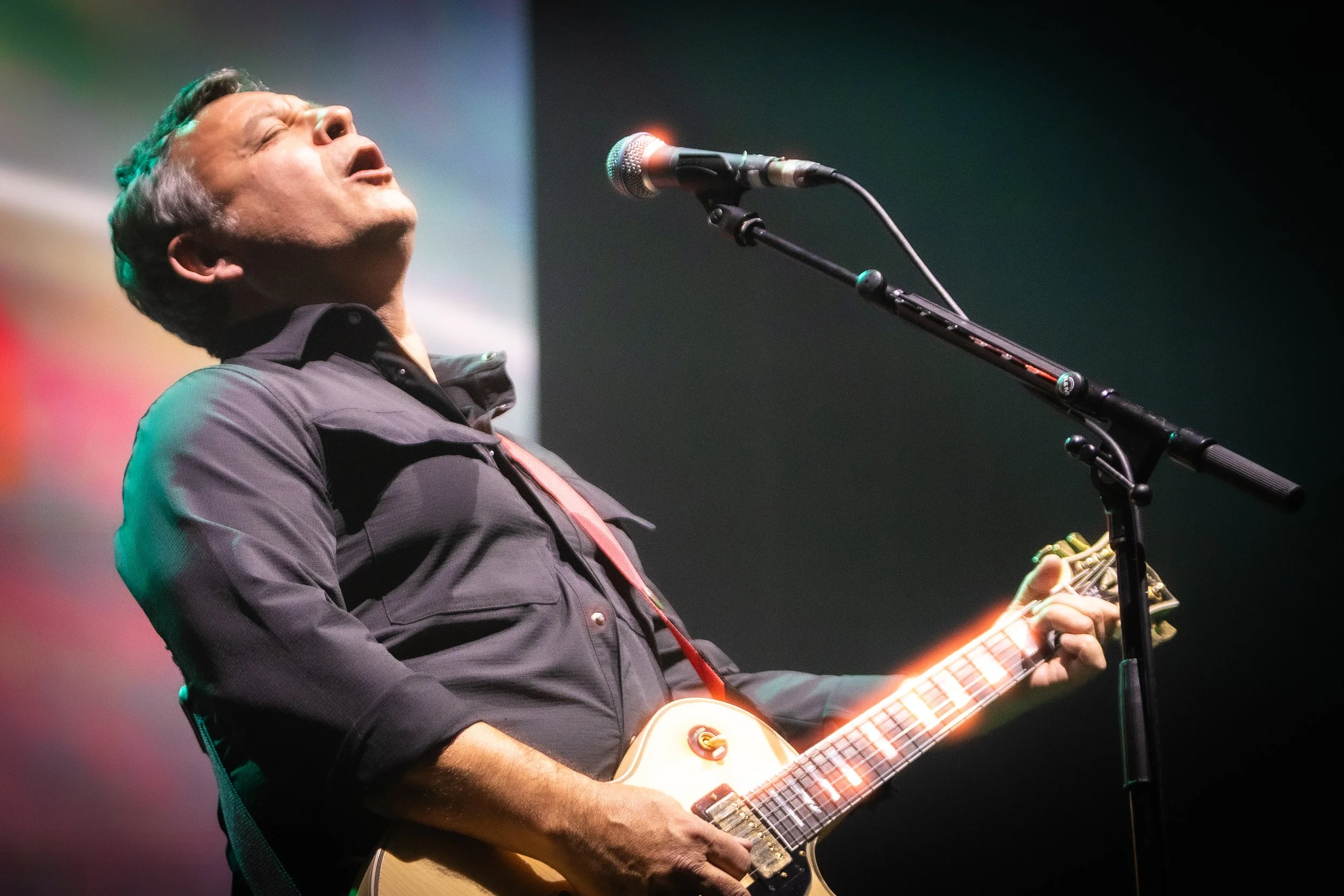
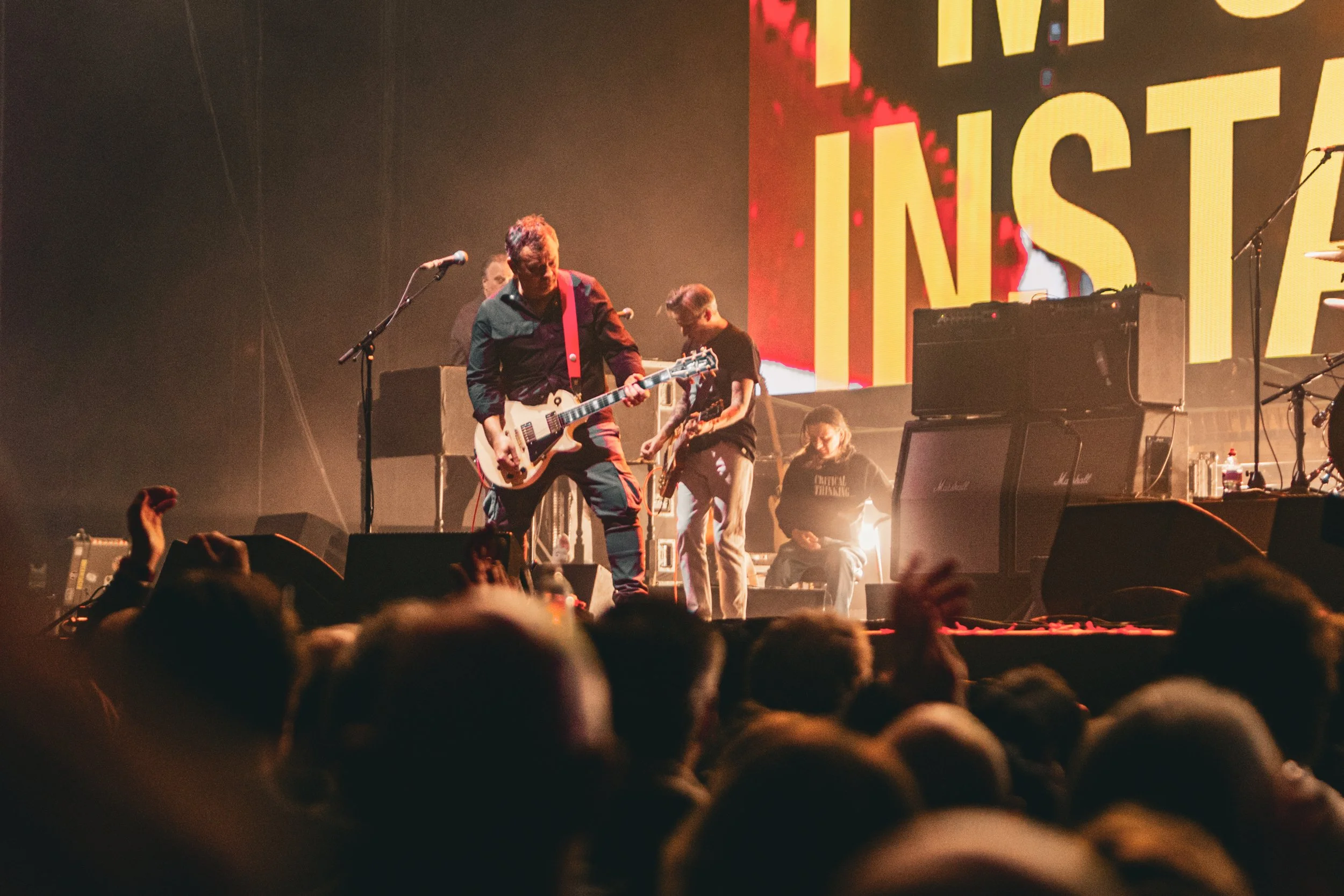
A rare technical glitch during ‘The Everlasting’ saw JDB’s guitar begin to fail mid-song. Ever the professional, he incorporated the problem into the performance, singing the suitably apt line, "my guitar is dying", before switching instruments while repairs were conducted. As he kept the audience entertained with some light-hearted chatter he accidentally drifted into the unmistakable opening notes of Smoke on the Water, prompting a roar of excitement from the crowd. Smiling, he quickly apologised, "I didn't mean to do that,". It would have been nice to hear the whole thing. The Manics have always had a knack for making other people's songs sound like they belong to them, and I'd love to see the odd cover make its way back into the set more often. Their take on Fiction Factory's Feels Like Heaven is one I would happily hear in full.
It actually took me back to James Dean Bradfield's Great Western solo tour when he played The Sugarhill in my hometown of Stoke-on-Trent in 2006. The audience could ask questions between songs, so I asked him who his guitar hero was. Whether he genuinely meant it or just felt obliged to say Slash while standing in the guitarist's birthplace, I'll never know. Either way, the answer led to an absolutely phenomenal acoustic version of Sweet Child O' Mine. Stripped right back to just Bradfield and a guitar, it was a musical moment I still treasure to this day.
Slash 'n' Burn, Autumnsong and Stay Beautiful highlighted the many different sides of the band's character, while Die in the Summertime brought a darker atmosphere that reached back to the shadow cast by The Holy Bible. You Love Us arrived with all the defiance and attitude that first made the band impossible to ignore, before ‘If You Tolerate This Your Children Will Be Next’ brought proceedings to a fitting conclusion. Inspired by the Spanish Civil War and the dangers of political indifference, it remains one of the most remarkable songs in their catalogue. As thousands of voices joined together for the closing refrain, it felt both timeless and painfully relevant. Few bands can fill an arena while asking challenging questions of their audience. Fewer still can do it while making it feel like a celebration.
What lingered the longest when the lights when down in Nottingham was the anticipation of a celebration of an album turning thirty-five years old. It was the feeling that this band still has something left to say. So much has happened since those four young men from Blackwood arrived with impossible ambition and an uncompromising belief in what music could be. This was, after all, the band who famously declared they would sell sixteen million albums and then split up. Instead, the universe clearly had other plans. They endured tragedy, survived changing musical fashions, and outlasted many of their contemporaries, yet they continue to connect with people in a way that now feels increasingly rare.
As the arena emptied and the tattooed rose faded from the screen, we realise we are now heading into another chapter. The mystery QR code has now revealed a special one-off hometown event at Cardiff's 35,000-capacity Blackweir Fields on 19th June 2027, where for the first time ever, The Manic Street Preachers will perform Generation Terrorists in full to mark the album's 35th anniversary. Tickets go on sale at 10am on 27th November – My alarm is set.



Thirty-five years after Generation Terrorists, The Manic Street Preachers remain driven by the same restless spirit that first set them apart. They may never have followed the path they mapped out for themselves all those years ago, but perhaps that's why their story has endured.
For a band who seemed convinced of their own expiry date, there is something remarkable about seeing them stand before thousands of people three and a half decades later. Still relevant, still passionate and still writing songs that connect. The tattooed rose remains. The audience remains. And while many of their contemporaries have become little more than heritage acts, the Manic Street Preachers continue to move forward, proving that A Design for Life was never just a song title, but a philosophy. Their story remains Everlasting, with plenty left to say, and I’m listening.
